
Hyundai Santa Fe (TM): Suspension System / Tire Pressure Monitoring System
Components and components location
| Components Location |
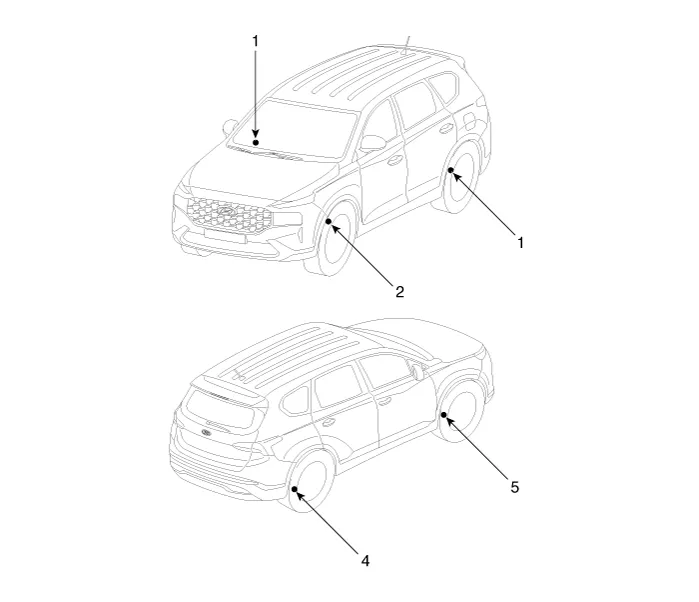
| 1. Receiver 2. TPMS Sensor (FL) 3. TPMS Sensor (RL) |
4. TPMS Sensor
(RR) 5. TPMS Sensor (FR) |
Description and operation
| Description |
| – |
Tire Under Inflation / Leak Warning.
|

| 1. |
Turn on condition
|
| 2. |
Turn off condition
|
| 1. |
Turn on condition
|
| 2. |
Turn off condition
|

| 1. |
General Function
|
TPMS Sensor. Description and operation
| Description |
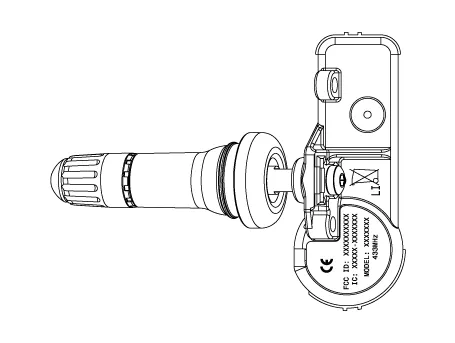
| 1. |
Driving state
Sensor transmissions occur every 1 minutes and pressure is measured
every 15 seconds.
|
| 2. |
Stationary state
Sensor transmissions does not occur and pressure is measured every 60
seconds.
|
| 3. |
Auto learning status
When driving after stopping more than 15 minutes , sensor transmissions
occur every 33 seconds and pressure is measured every 10.8 seconds.
|
| 4. |
Off status
The TPMS sensor is not operated.
Due to stock status, does not measured pressure, temperature, battery
status.
|
| 5. |
Alert State :
When a 2 psi change in pressure from the last transmission occurs, transmit
tire information immediately.
The pressure is measured every 2 seconds.
|
TPMS Sensor. Repair procedures
| Replacement |
| 1. |
Remove the tire.
(Refer to Tires/Wheels - "Tire")
|
| 2. |
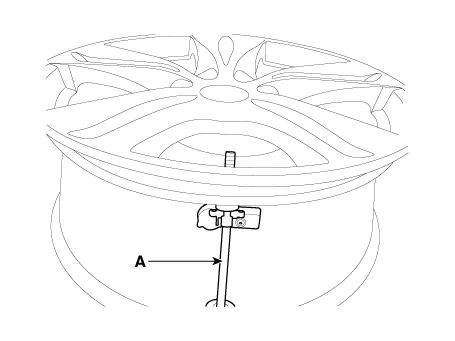
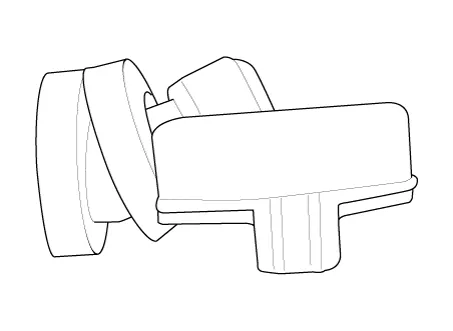
Remove the screw with torx driver (A).
|

| 3. |
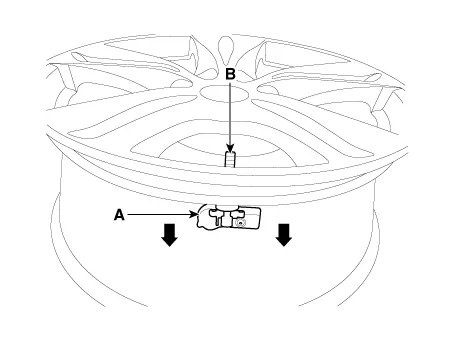
Remove the sensor body (A) from the valve (B) in the direction of the
arrow.
|
| 4. |
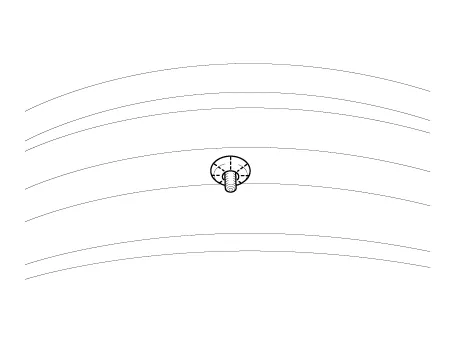
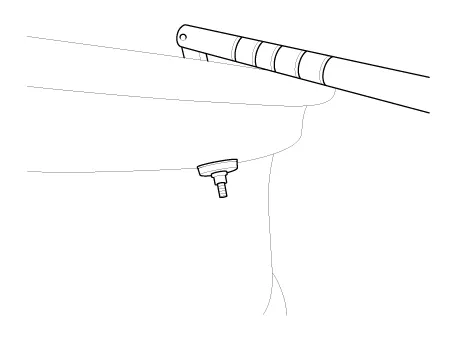
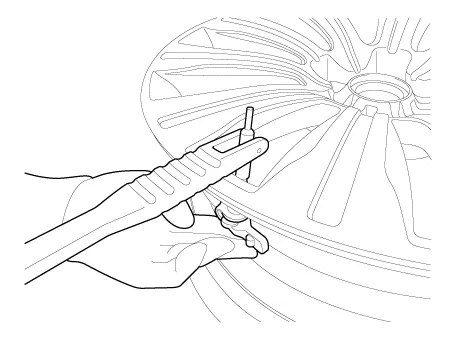
Remove the valve using the valve mounting tool.
|
| 5. |
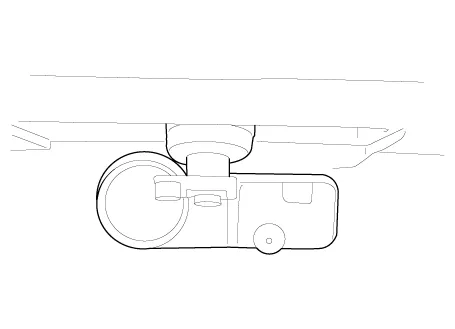
Apply lubricant to the surface of the valve, and then mount it through
the valve hole of the wheel.
|
| 6. |
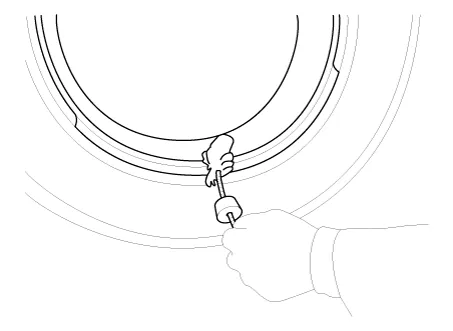
Apply soapy water or lubricant to the upper/lower bead section of the
tire.
|
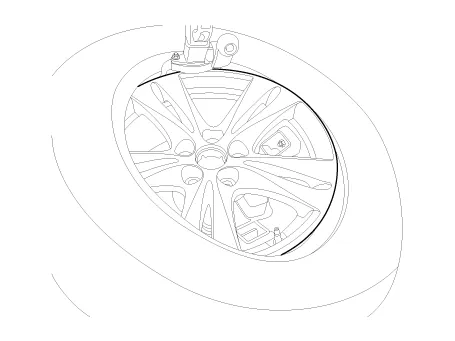
| 7. |
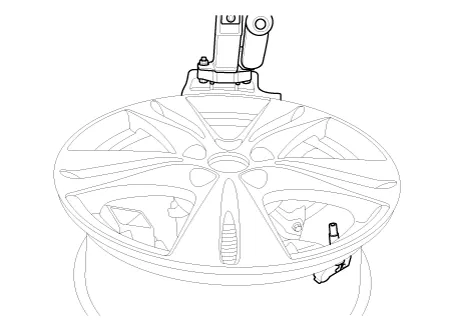
In order to mount lower the beads, place the TPMS sensor at 5 o'clock,
starting from the head of the tire replacement equipment.
|
| 8. |
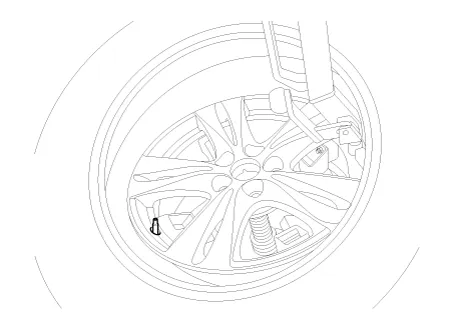
Rotate the rim clockwise and press tire towards 3 o'clock to mount the
lower beads.
|
| 9. |
In order to mount the upper beads, press the tire towards 3 o'clock
and turn the rim clockwise.
|
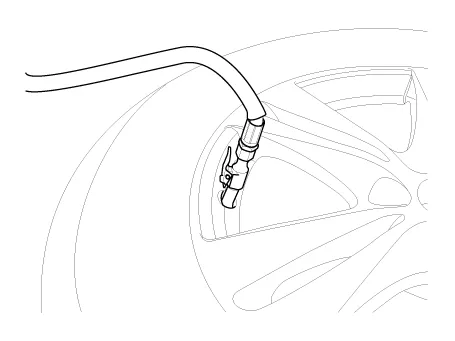
| 10. |
Inject air into the tire until the beads are in the correct position.
|
| 11. |
Adjust the tire pressure according to the recommended tire pressure
for the vehicle.
|
| 12. |
If the TPMS sensor malfunctions, you must perform TPMS sensor learning.
Replace any faulty sensors and perform TPMS sensor learning.
|
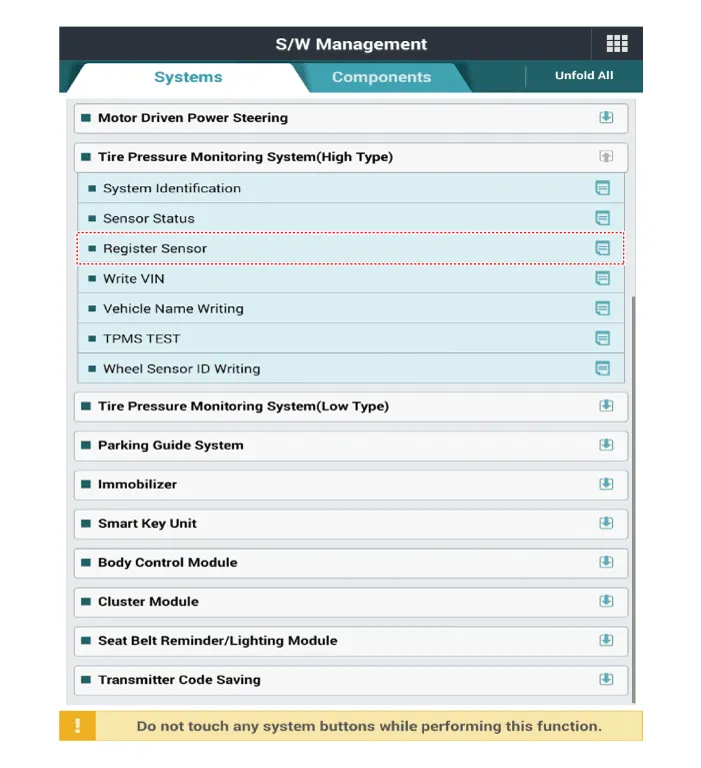
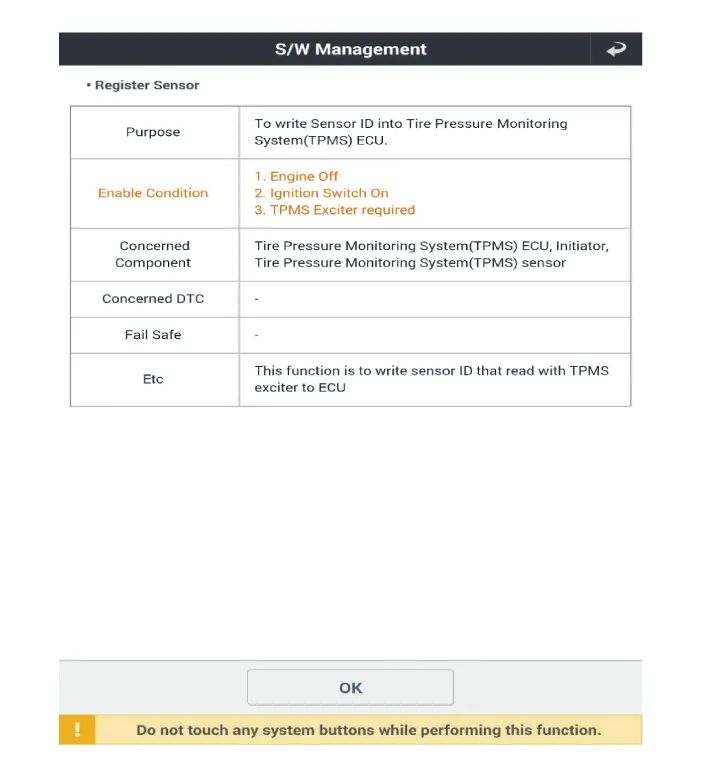
| Diagnostic Procedure Using a Diagnostic Instrument |
| 1. |
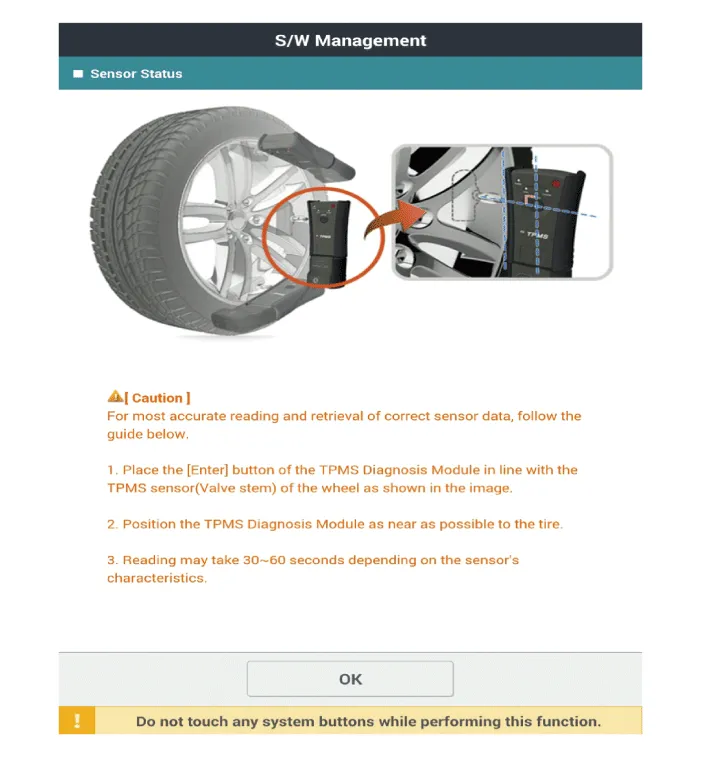
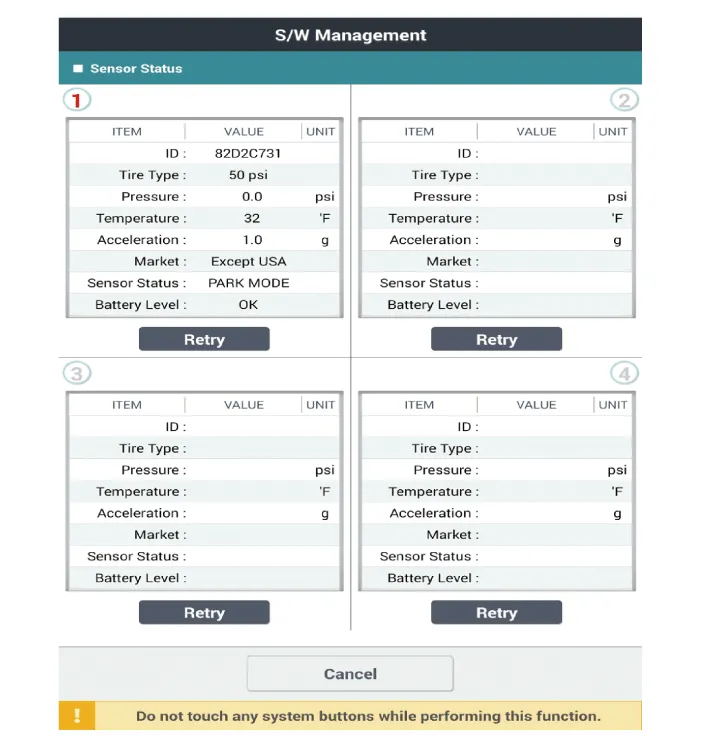
Connect the diagnostic instrument to the self-diagnostic connector (16-pin)
beneath the crash pad on the side of driver's seat, and then turn on
the ignition to activate the diagnostic instrument.
|
| 2. |
In the GDS Vehicle Type Selection menu, select "Vehicle Type" and "TPMS"
System, and then opt for "OK."
|
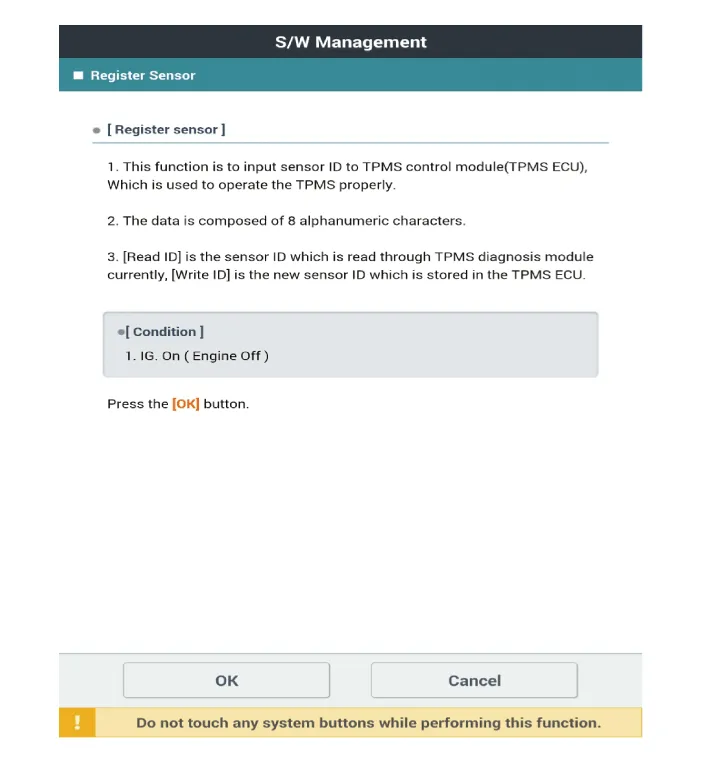
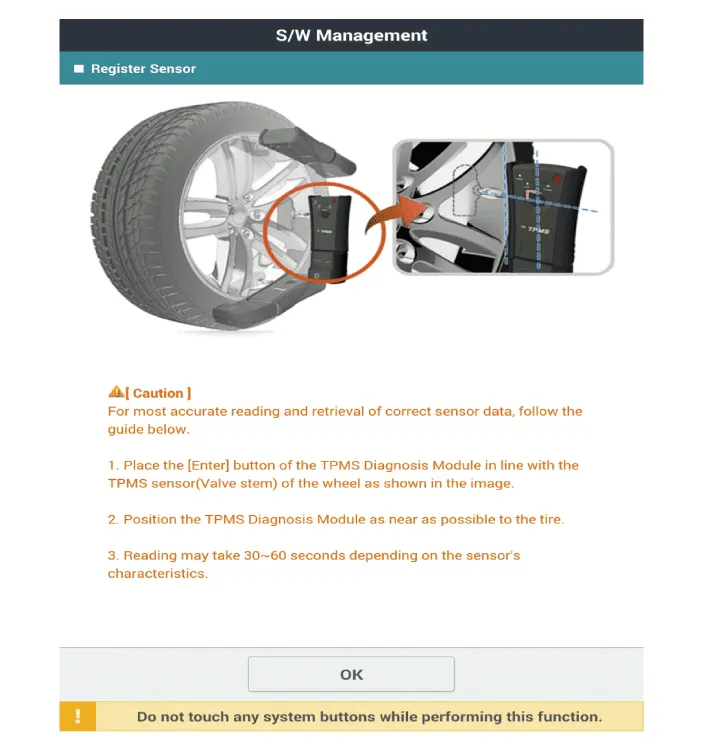
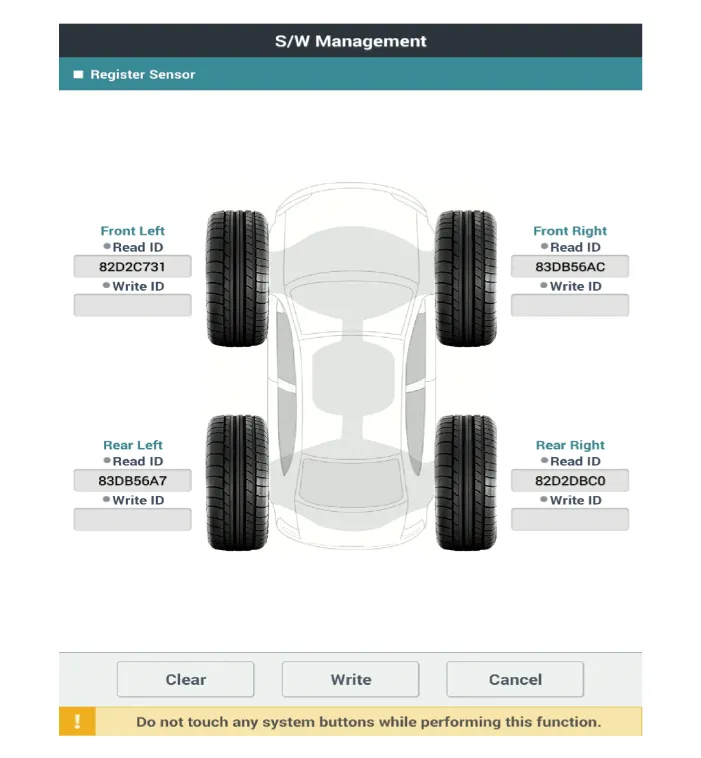
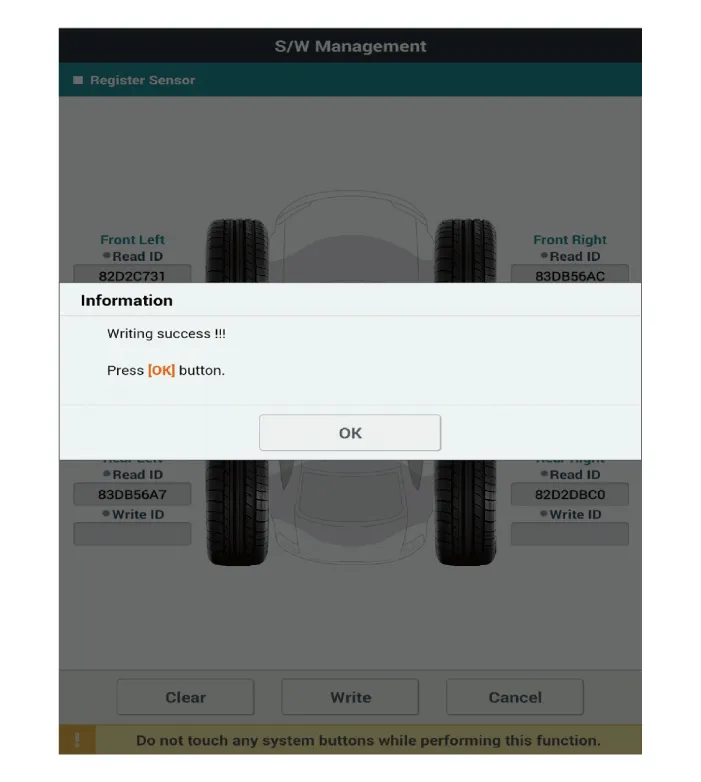
|
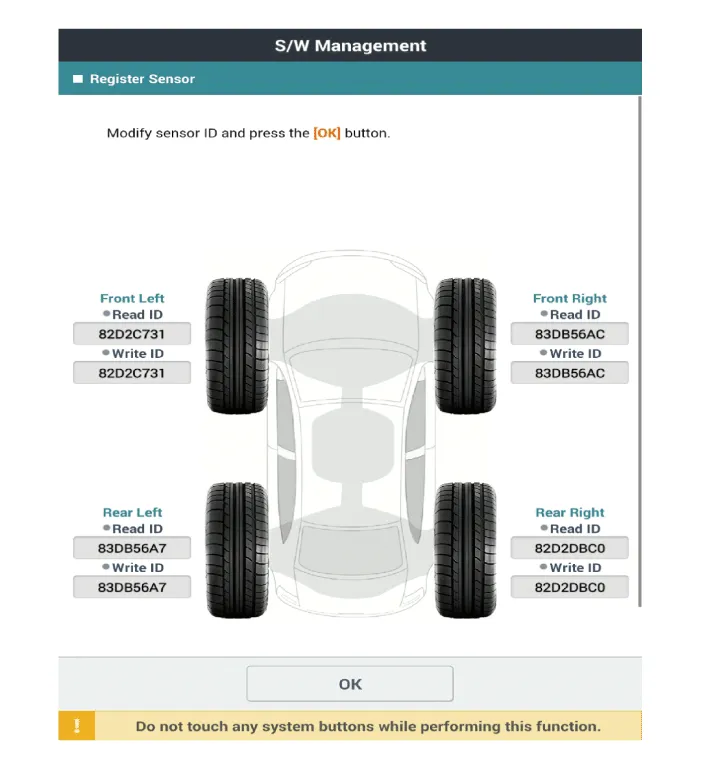
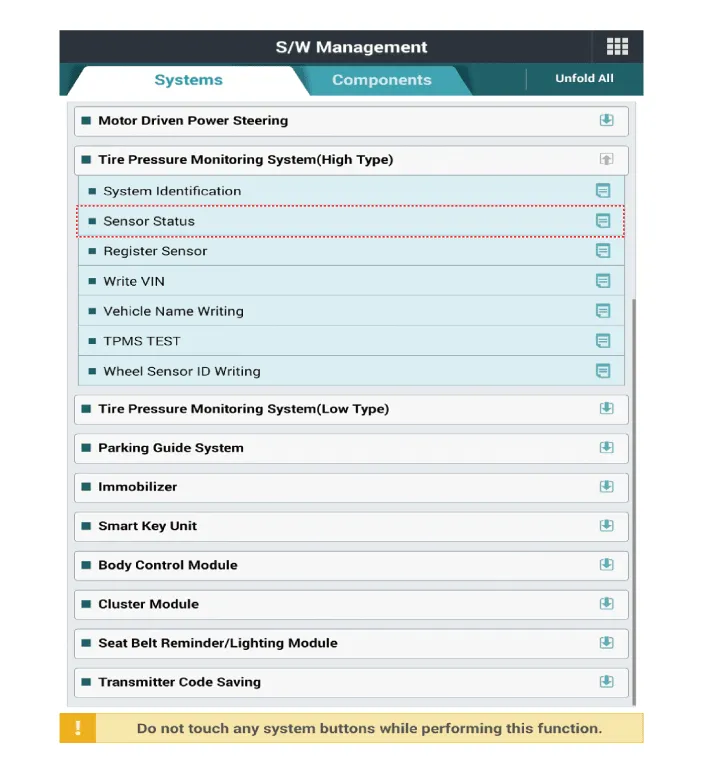
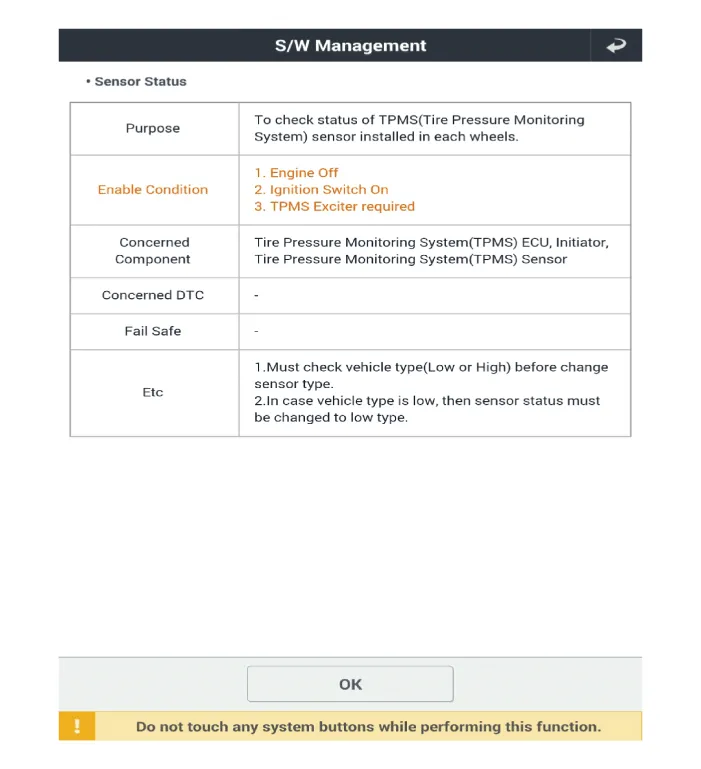
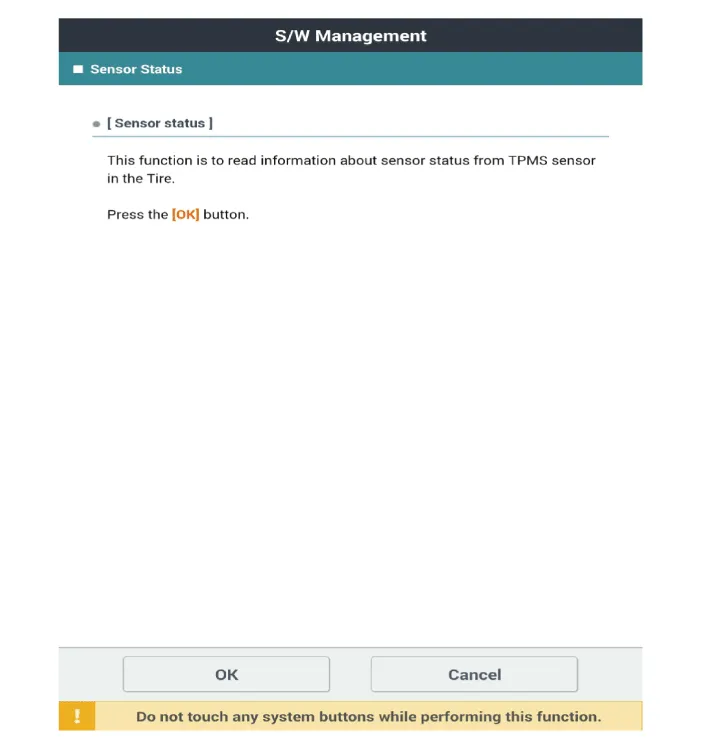
|
TPMS Receiver. Description and operation
| Description |
| 1. |
Mode
|
| 2. |
Overview
|
| Operation |
| 1. |
General Function
|
| 2. |
General Conditions to Learn New Sensors:
|
| 3. |
General Conditions to Un-Learn a sensor that is removed :
|
TPMS Receiver. Repair procedures
| Replacement |
| 1. |
Turn the ignition switch OFF and disconnect the battery negative (-)
cable.
|
| 2. |
Remove the glove box.
(Refer to Body - "Glove Box")
|
| 3. |
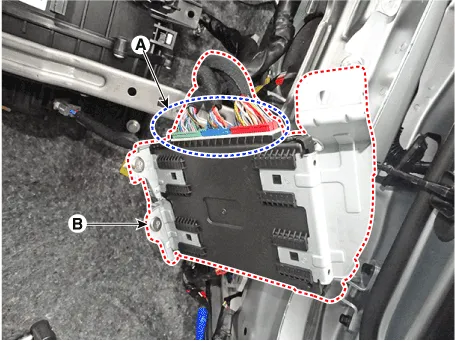
Disconnect the body control module connectors (A) and then remove the
integrated body control unit (B).
|
| 4. |
Install in the reverse order of removal.
|
| 5. |
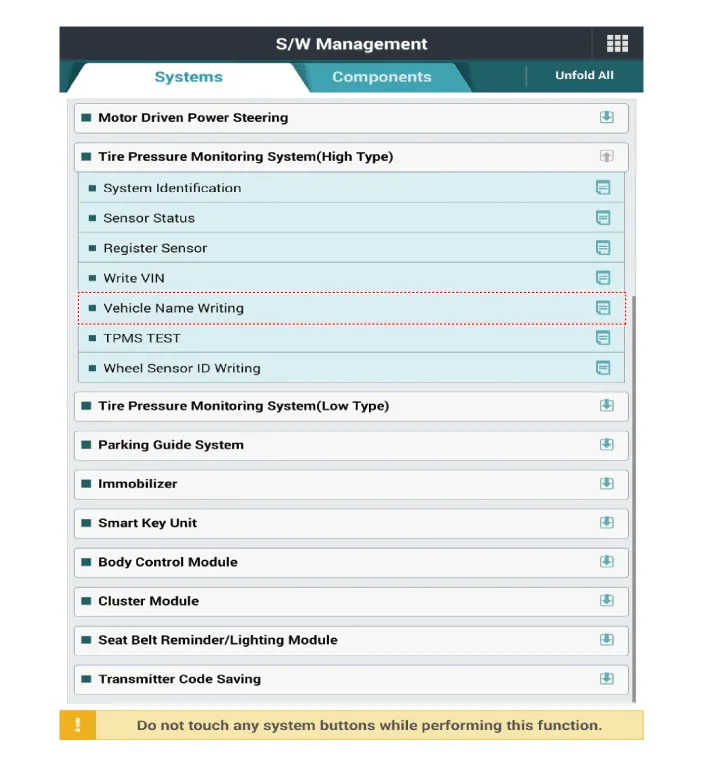
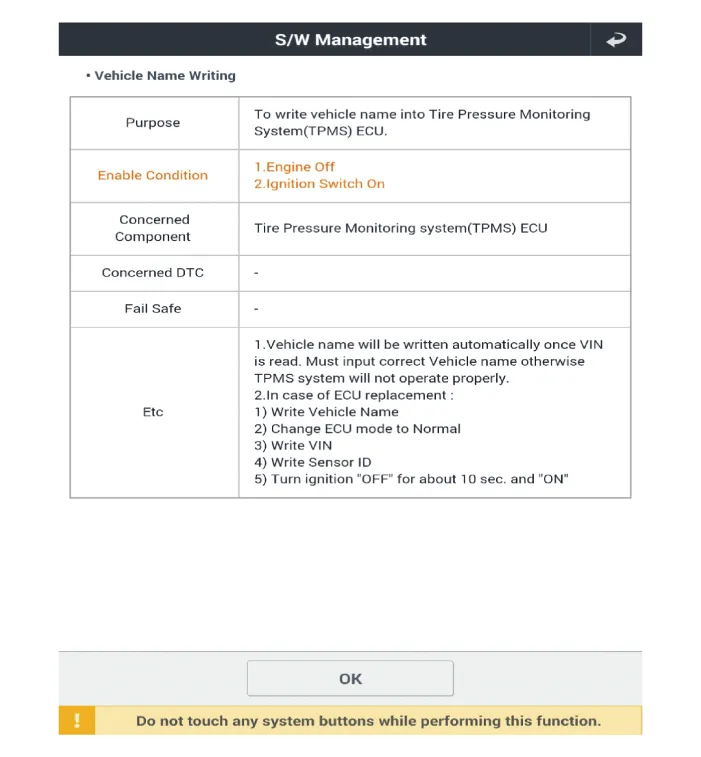
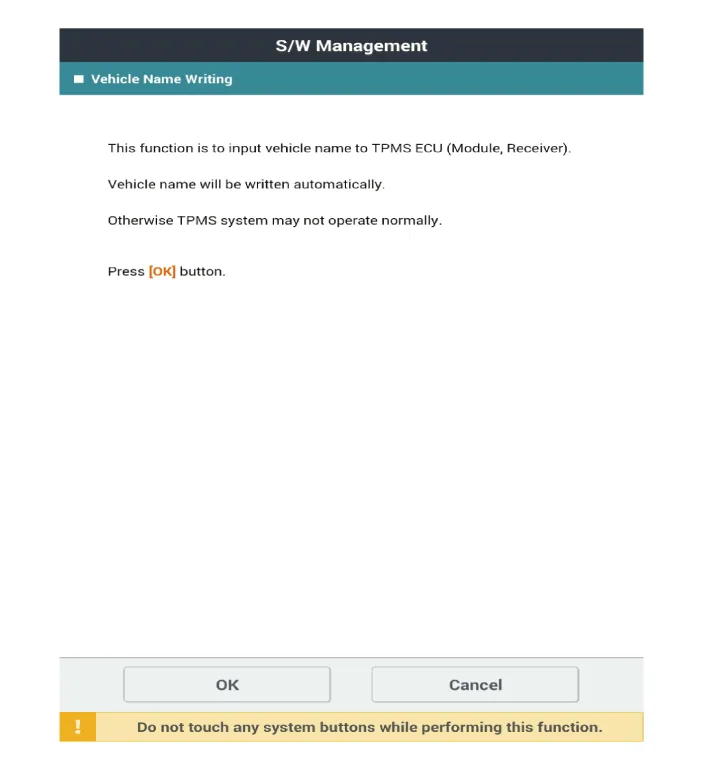
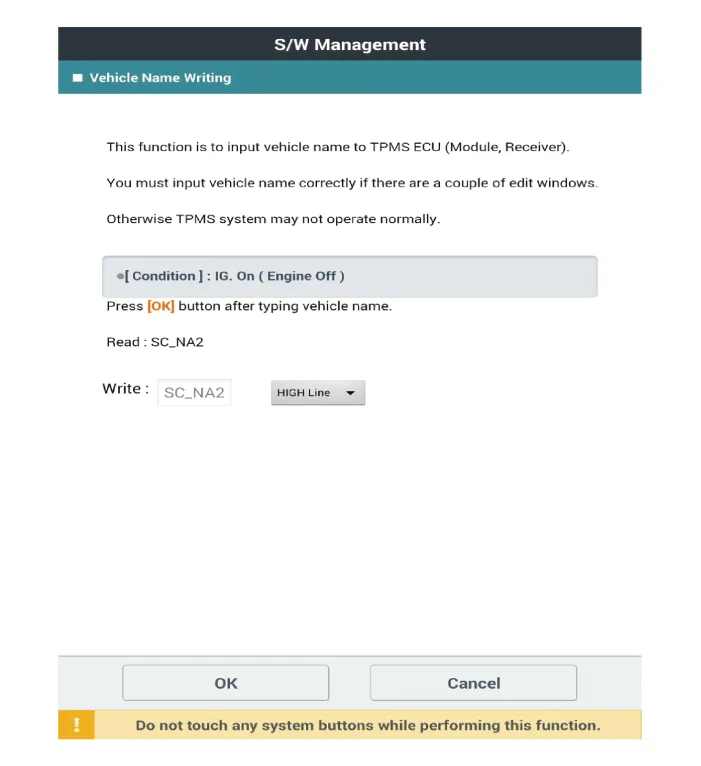
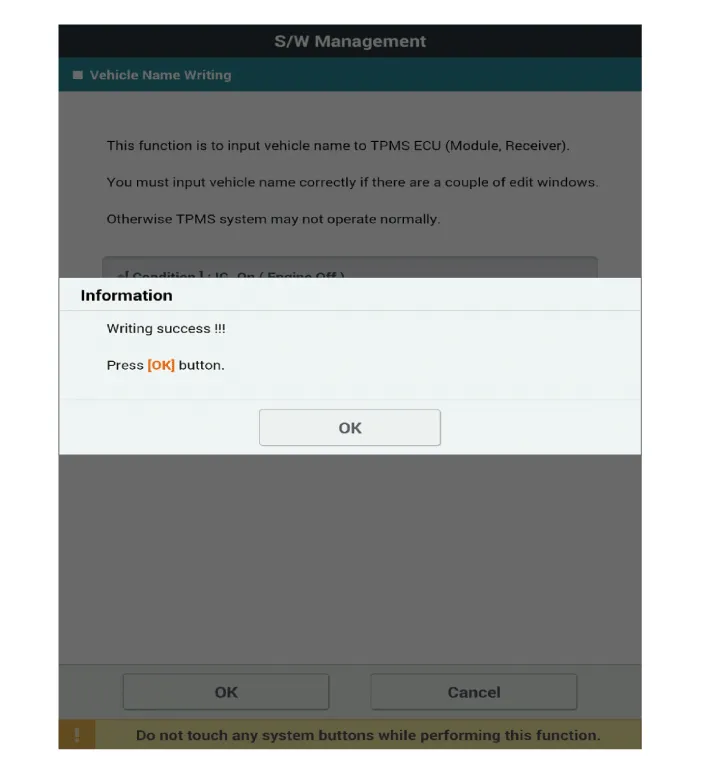
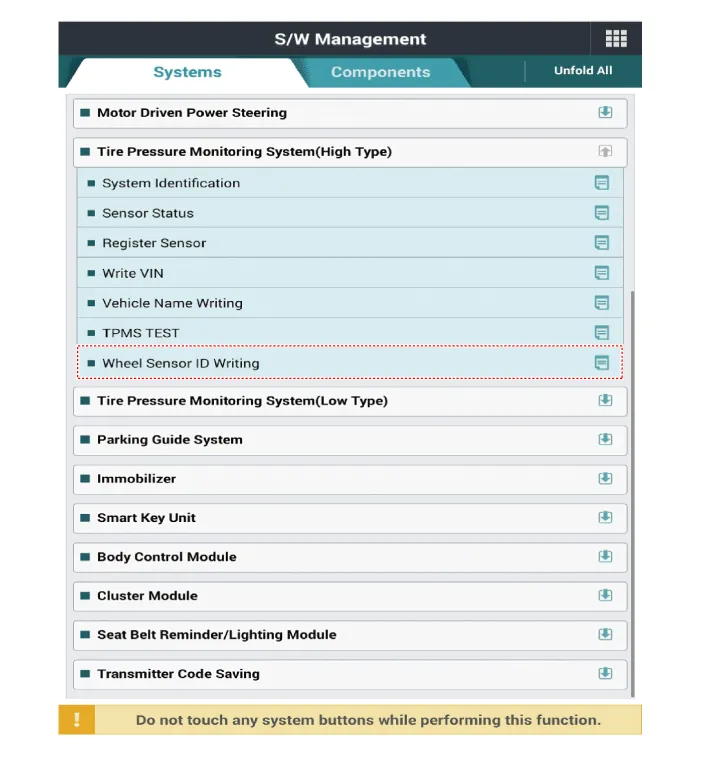
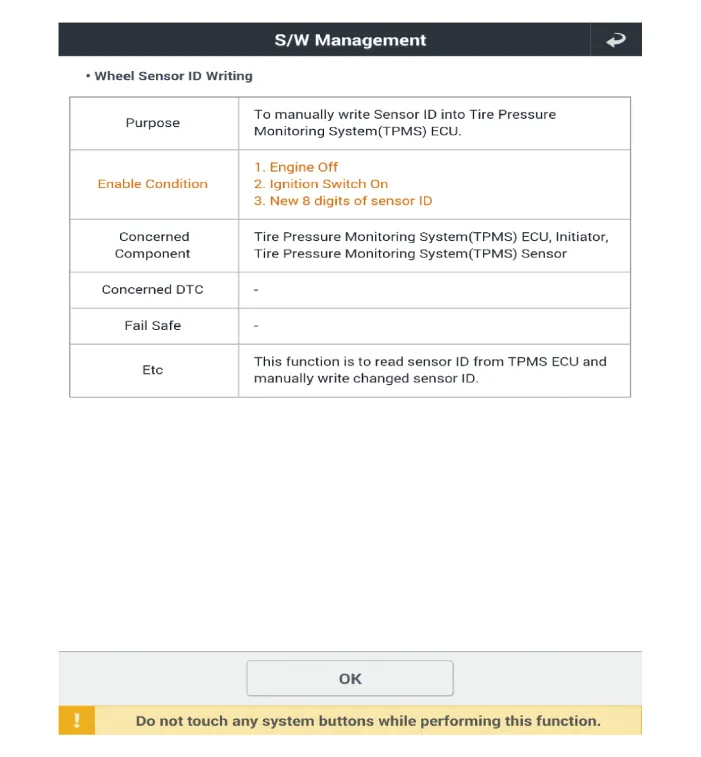
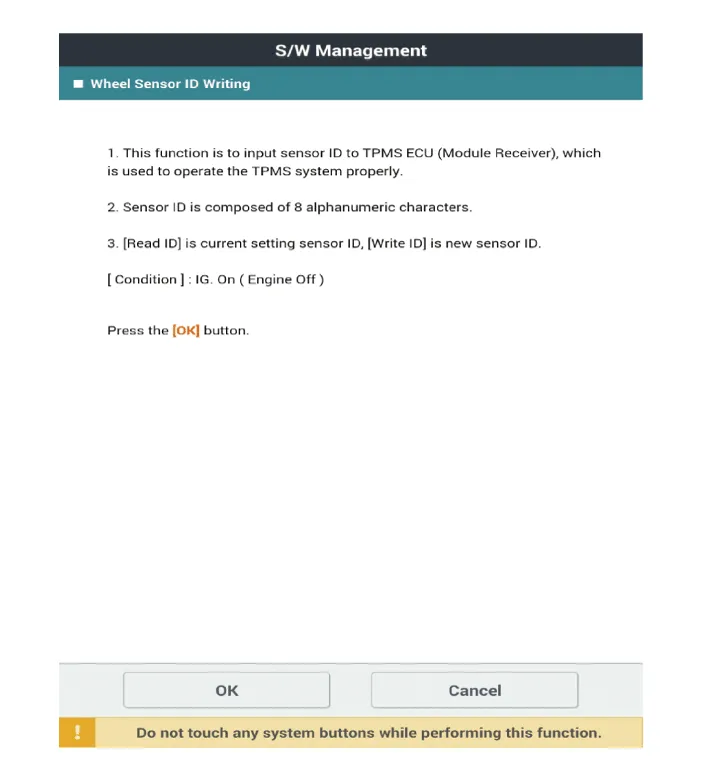
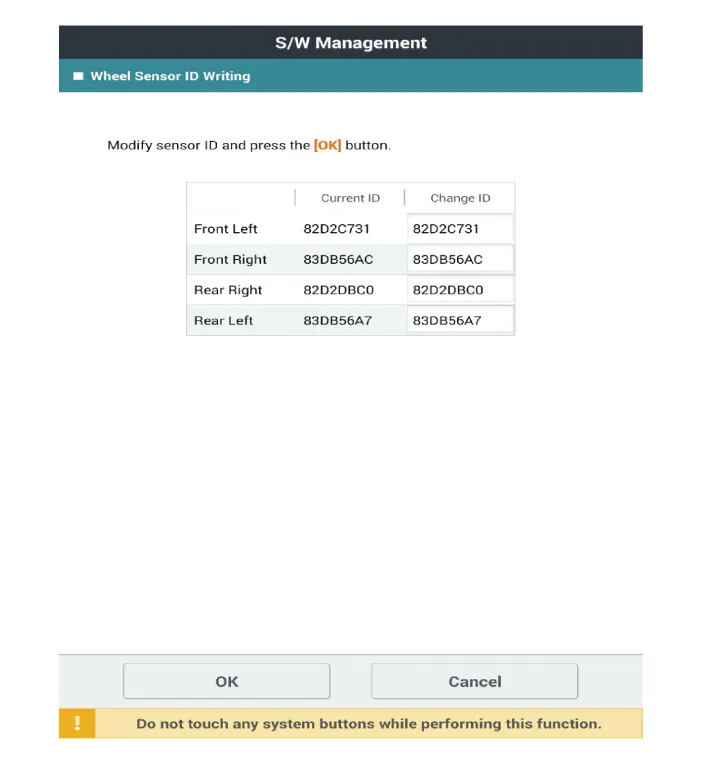
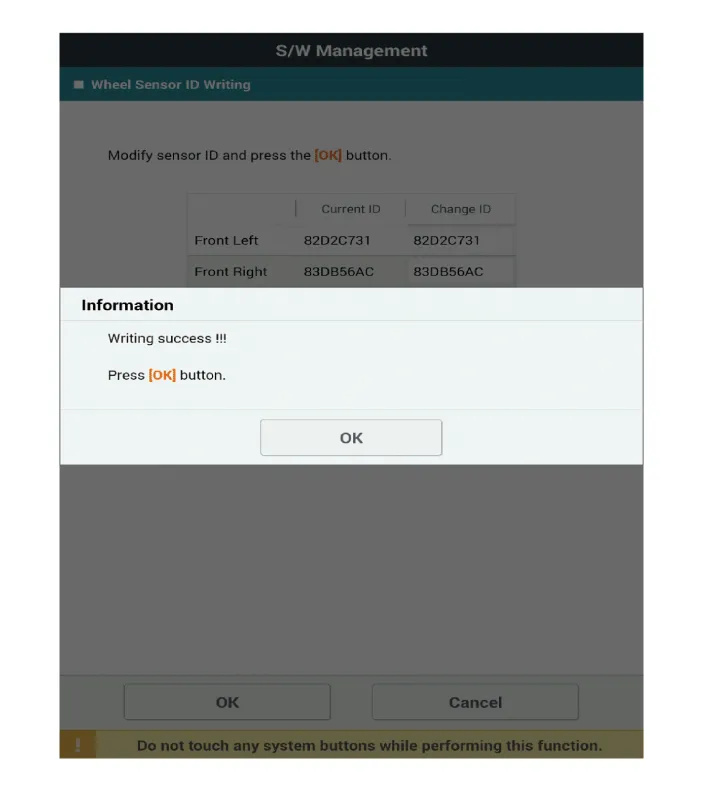
After replacing the receiver, learn by using self-diagnostic device
GDS.
|
| Diagnosis procedure by using diagnostic device |
| 1. |
Connect self-diagnosis connector (16 pins) located in the lower driver
side crash pad to self-diagnosis device, and then turn on the self-diagnosis
device after key is ON.
|
| 2. |
Select the "vehicle model" and "TPMS" on GDS vehicle selection screen,
then select OK.
|
Tire. Repair procedures Tire Wear • Using tires and wheel other than the recommended sizes could cause unusual handling characteristics and poor vehicle control, resulting in a serious accident.
Other information:
Hyundai Santa Fe (TM) 2019-2023 Service and Repair Manual: Windshield Wiper/Washer
Components and components location Component Location 1. Windshield wiper arm & blade 2. Wiper & washer switch 3. Windshield washer hose 4. Windshield wiper motor & linkage 5. Washer motor 6.
Hyundai Santa Fe (TM) 2019-2023 Service and Repair Manual: Rear Corner Radar System
Description and operation Description Rear Corner Radar is a system that measures the relative speed and distance from the following vehicles by using two electromagnetic wave radar sensors attached to the rear bumper, and detects any vehicle within the blind spot zone and gives off alarm.
Categories
- Manuals Home
- Hyundai Santa Fe Owners Manual
- Hyundai Santa Fe Service Manual
- LCD Display
- Emission Control System
- Battery. Specifications
- New on site
- Most important about car
